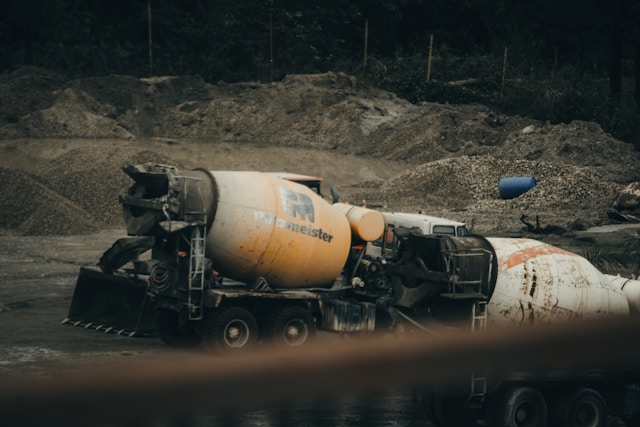

There's a version of concrete slurry management that looks pretty simple on paper, you whip up the slurry, clean up the mess and move on. But on a real live construction site, that tidy little sequence falls apart pretty fast. Slurry spreads further than you’d expect, sets faster than you’d think it would, and has a nasty habit of causing compliance headaches in all sorts of places that nobody is keeping an eye on. Sites that handle slurry well don't get any luckier, they just have a better plan.
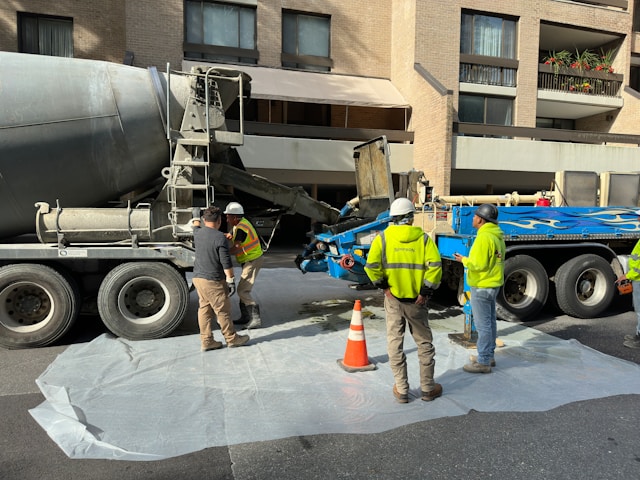
Why Surface Type Makes All The Difference?
Concrete wastewater is nasty, not just messy. It's alkaline chemistry interacts with surfaces in totally different ways depending on whether you're dealing with a porous or sealed surface. On porous materials like uncoated concrete, exposed aggregate or natural stone, the slurry just soaks right in, which means removal becomes an extraction problem, not just a simple surface cleaning job. On sealed or polished surfaces, it just sits there for longer but if you don't deal with it quickly, it can etch away the finish.
In cramped spaces, the problem gets worse. Ventilation is limited, you've got restricted access for your containment kit and the risk of silica dust kicking up during dry phase removal is way higher. Safe Work Australia is pretty clear on this: respirable crystalline silica is a serious health risk, and slurry clean-up is no exception.
Why Hosing Down Slurry Is Just Plain Wrong?
The most common mistake on construction sites is just grabbing a hose as soon as slurry appears. Newsflash: high pressure washing doesn't actually get rid of the slurry, it just spreads it around. Alkaline particles get blasted off in all directions and end up getting pushed towards all the wrong places, drainage points, footpaths, road surfaces, the adjacent ground. The contamination footprint gets bigger, and so does your compliance exposure.
Stormwater contamination from construction slurry is something that regulators are starting to crack down on. It's not that hard for them to see the paper trail that connects site activities to a contaminated drain. So for concrete slurry removal, using just water as the clean-up method is not going to cut it on any site that's properly regulated.
Chemical Cleaning Solutions: Choosing The Right One
Not all concrete cleaners are created equal, and if you choose the wrong one you end up with a whole new set of problems. Acid based cleaners are good for tackling stubborn residue, but they bring their own set of issues, you've got to handle them safely, store them carefully and comply with all the relevant WHS rules. And then there's the problem of spills or incorrect application, that can damage surfaces and add yet another hazardous substance to your site inventory.
The non-acid alternatives work in a completely different way and might be better suited for a wider range of situations, especially where surface sensitivity is a concern or where the residue is fresh rather than dry. When you're choosing a product, you need to think about the age of the slurry, the type of surface you're dealing with, and any access constraints you've got. Pick the wrong one, and you'll end up with a sub-standard result.
Removal Procedure That Works
Controlling prior to removal – this is the immutable law. The proper sequence is:
- Dry control at first – absorbent materials, physical barriers and vacuum collection take care of the spread without adding water.
- Dewatering technologies separate solids from liquid phase prior to application of any cleaning agent.
- Cleaning surface with a proper product tackles remaining staining after containing the majority.
Timing rules them all. Slurry tackled within its window when alkaline components have not bonded to the surface yet is much easier to remove than already cured residue. Sites that deal with slurry as real-time problem rather than something that needs to be done by the end of the day use less product, less labour and less time on concrete slurry removal.
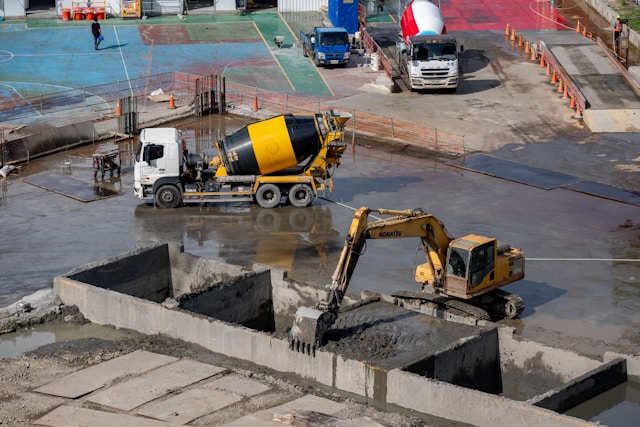
Integration Of Removal Process Into Methodology, Not Clean-up
Slurry carts and integrated collecting systems decrease the amount of material that needs removal by collecting slurry at the source during cutting and grinding. Documentation of pre-start procedures that outlines the proper sequence of the procedure, product choice and responsibility help to eliminate confusion that enables clean-up being deprioritized. Managers who approach slurry removal as a primary site procedure and not secondary housekeeping activity avoid the compliance risk.