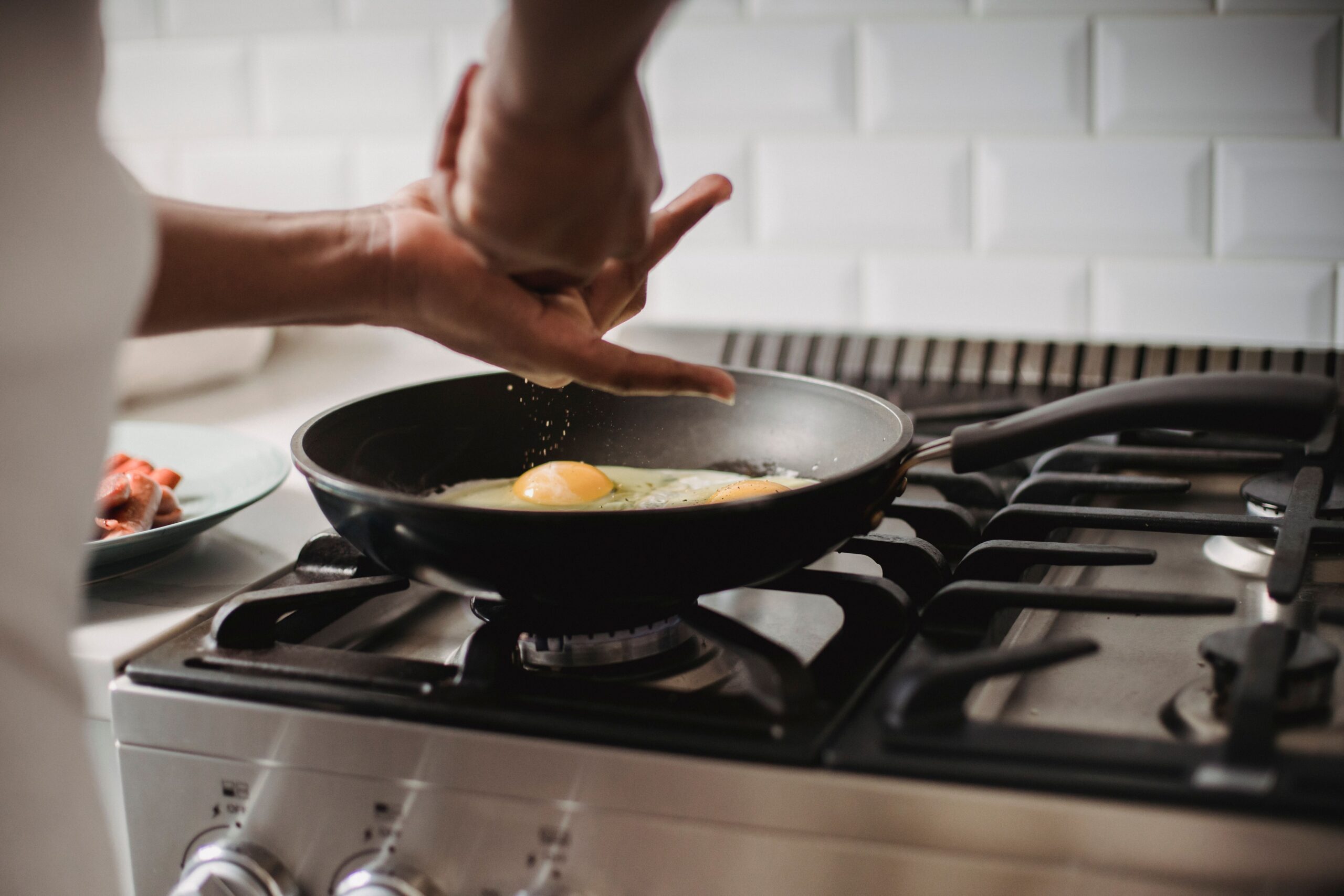

Cooking is an art, and the tools you use can make all the difference. Premium cooking pans are a chef’s best friend, offering superior heat distribution and longevity that elevate everyday meals into culinary masterpieces. Investing in high quality cookware means you're not just buying a pan; you're enhancing your kitchen experience.
But like any fine tool, these pans require special attention to ensure they stand the test of time. With proper care and maintenance, you can extend their lifespan significantly. Whether you’re sautéing vegetables or searing meats, understanding how to treat your premium cooking pans will keep them performing at their best for years to come. Let’s dive into some essential tips that will help preserve your favorite cookware!
Proper Use and Care Instructions
To get the most out of your premium greenpan cookware, start by using them correctly. Always preheat your pan before adding food. This helps create a non-stick surface and ensures even cooking.
When it comes to heat settings, moderate is best. High temperatures can warp or damage the coating over time. Stick to medium or low heat for optimal performance.
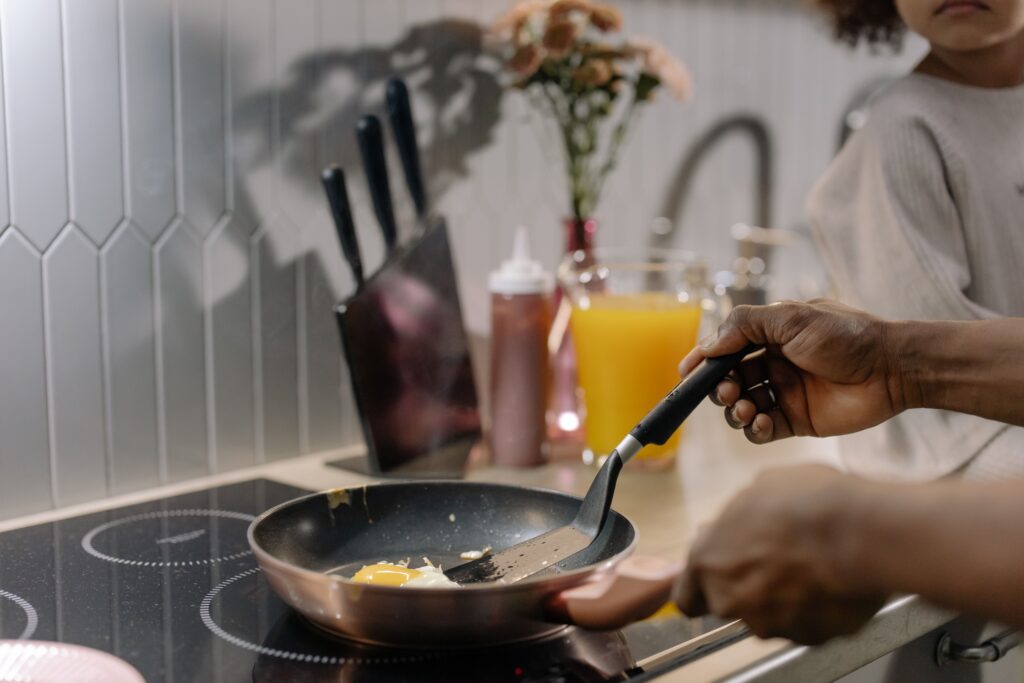
Utensils matter too; choose wooden or silicone tools to avoid scratching the surface. Metal utensils may look sleek, but they can compromise your pan's integrity.
After cooking, let your pan cool down naturally before cleaning. Sudden temperature changes can lead to warping or cracking.
Always check specific care instructions provided by the manufacturer as each material has unique requirements that need attention for longevity.
Cleaning and Maintenance Tips
Keeping your premium cooking pans in top shape is essential for longevity. Start by letting them cool down after use. Placing a hot pan under cold water can warp it, so be patient.
For non-stick surfaces, opt for gentle sponges or cloths during cleaning. Harsh steel wool can scratch and damage the finish. A mixture of baking soda and water creates a natural scrub that’s effective without being abrasive.
Avoid using too much soap; sometimes, warm water alone does the trick. If food residue clings stubbornly, soak the pan instead of scrubbing aggressively.
After cleaning, make sure to dry your pans thoroughly to prevent moisture buildup. Storing them with a paper towel between each piece helps avoid scratches while also keeping them clean.
Remember to periodically check for signs of wear like peeling coatings or warping edges—these are indicators that they need more than just regular care.
Alternative Uses for Cooking Pans
Cooking pans are incredibly versatile tools in the kitchen, but their potential extends beyond sautéing and searing.
Try using your skillet as a serving tray for appetizers at your next gathering. It adds a rustic charm that guests will appreciate.
If you're feeling crafty, consider using an old frying pan as a planter. With some drainage holes drilled into the bottom, it can become a quirky home for succulents or herbs.
Got leftover paint? A deep pan can act as an impromptu paint holder during DIY projects. Its sides keep spills to a minimum while you work on your masterpiece.
You may also utilize cast iron pots for baking bread or even cakes, giving them that delicious crust we all love!
Don’t forget about storage solutions—stack smaller pans inside larger ones to save space in cabinets or use them to organize craft supplies like brushes and pens.
How to Know When It's Time to Replace Your Pan
Knowing when to replace your premium cooking pan can save you both time and frustration. It's essential to keep an eye on its condition. Start by examining the non-stick surface; if it shows signs of scratching, peeling, or significant wear, it's a clear signal that it's time for a new one.
Another factor is how the pan conducts heat. If you notice uneven cooking or hot spots where food burns while other areas remain uncooked, this may indicate that the material has degraded over time. Additionally, any warping or bending can compromise not only performance but safety as well.
If you're dealing with persistent stains or odors that won’t come out despite thorough cleaning efforts, think about investing in a replacement too. A fresh pan can make your cooking experience more enjoyable and efficient.
Trust your instincts if using the pan no longer feels right or safe to you during meal prep, don’t hesitate to upgrade your kitchenware for peace of mind and better culinary results. Your dishes deserve nothing less than top-notch tools!