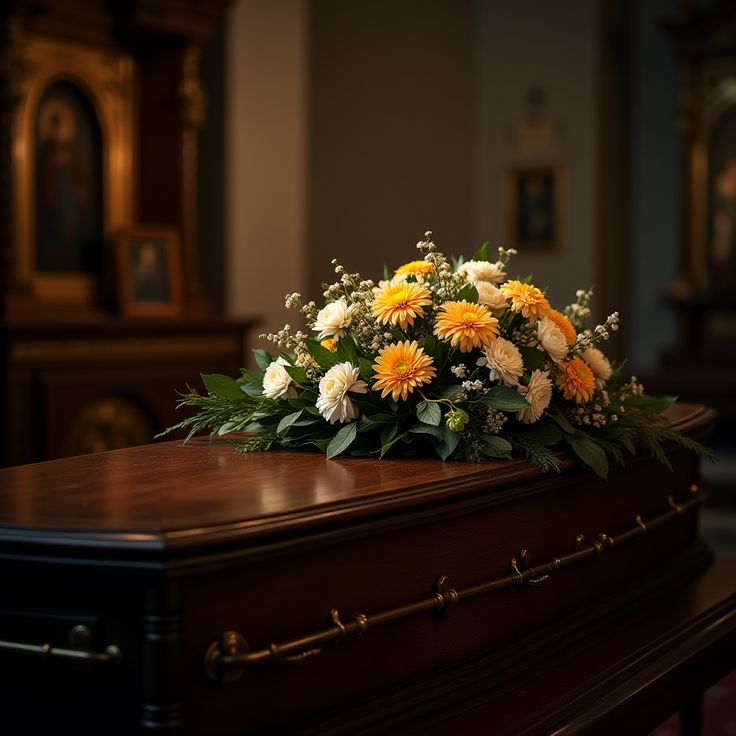

Funerals are more than just a farewell; they are profound reflections of cultural values and beliefs. Each society has its own unique way of honoring the deceased, shaped by traditions passed down through generations. As we navigate this sensitive topic, it’s essential to recognize how these rituals provide comfort and closure for grieving families while showcasing the rich tapestry of human experience. From vibrant celebrations of life to solemn ceremonies steeped in ritual, every funeral tells a story—one that honors not just the individual who has passed but also the culture from which they came. Join us as we explore how various cultures celebrate life after death, revealing insights into their practices and beliefs along the way.
The Importance of Funerals in Various Cultures
funeral services for different cultures and traditions, marking the transition from life to death. They offer a structured way for communities to process grief and honor those who have passed.
In many societies, these ceremonies strengthen communal bonds. Friends and family come together, sharing memories that celebrate the deceased’s legacy while providing support to one another.
Different cultures interpret this significance in varied ways. For some, it's a solemn occasion filled with rituals that may last several days. Others embrace joyous celebrations that reflect their belief in an afterlife or rebirth.
These events also affirm cultural identity, allowing participants to express shared values through music, prayers, or symbolic acts. Each detail—whether it involves specific attire or unique offerings—carries meaning deeply rooted in tradition and belief systems.
Traditional Funeral Services and Their Significance
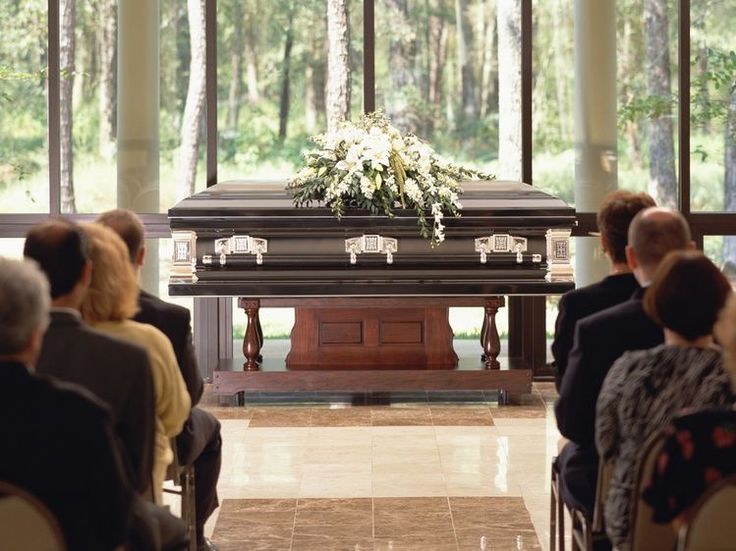
Traditional funeral services carry deep cultural significance. They serve as a final farewell, honoring the life of the deceased while providing solace to grieving families.
These ceremonies often incorporate rituals passed down through generations. Each element, from prayers to music, reflects shared beliefs and values. For instance, in many cultures, specific hymns or chants are believed to guide spirits on their journey.
Moreover, traditional funerals create a space for community support. Friends and relatives gather not just to mourn but also to celebrate a life lived. This collective experience fosters connection during one of life's most challenging times.
Rituals can vary widely—some involve elaborate preparations and offerings, while others may focus on simplicity. Regardless of formality, each service is an expression of love and respect that transcends time and place.
Modern Approaches to Funerals and Cultural Influences
Modern funerals are evolving to reflect changing cultural landscapes. As societies become more diverse, the way we honor our loved ones adapts too.
Many people now seek personalized services that resonate with individual beliefs and values. This shift often incorporates elements from various cultures. For instance, blending traditional practices with contemporary themes can create a unique farewell experience.
Eco-friendly options have also gained popularity. Green burials emphasize sustainability, appealing to those concerned about environmental impact. They allow families to pay tribute in a meaningful yet conscious way.
Technology plays a significant role as well. Virtual memorials and live-streamed services make it possible for distant family members and friends to participate, bridging gaps across miles.
These modern approaches reflect broader societal changes while honoring the rich tapestry of cultural traditions each person brings into their life journey.
How Different Cultures Honor their Deceased Loved Ones
Across the globe, cultures have their own ways of honoring those who have passed. In Mexico, families celebrate Día de los Muertos with vibrant altars and joyful gatherings. They believe that departed souls return to enjoy the festivities.
In contrast, Tibetan Buddhists engage in sky burials. Here, bodies are placed on mountaintops to be consumed by birds. This act symbolizes the cycle of life and death.
Japanese traditions emphasize respect through Obon festivals. Lanterns light pathways for ancestral spirits as communities come together in remembrance.
Meanwhile, some African cultures practice elaborate funeral rites filled with music and dance. These ceremonies not only mourn loss but also celebrate a person's legacy.
Each tradition reflects deep-rooted beliefs about life after death and the connection between the living and deceased. Through these customs, love transcends beyond mere memories into lasting tributes of honor and respect for loved ones gone too soon.
Unique Funeral Customs and Rituals Around the World
Unique funeral customs and rituals around the world showcase the rich tapestry of human beliefs and values surrounding death. Each culture approaches this universal experience with distinct practices that reflect their philosophies, traditions, and connections to spirituality.
For instance, in Tibet, a unique practice known as sky burial is observed. In this ritual, the body is placed on a mountaintop for scavenging birds to consume. This act symbolizes the cycle of life and death while allowing nature to reclaim its elements.
In Mexico, Día de los Muertos transforms mourning into celebration. Families create altars adorned with photos, food, and flowers to honor deceased loved ones. This vibrant tradition emphasizes remembrance over sorrow while reinforcing family bonds through shared memories.
Meanwhile, in Ghana's elaborate funerals known as "celebration of life," colorful coffins designed to represent aspects of the deceased’s personality or profession are used. These grand send-offs celebrate not just loss but also legacy and individuality.
Japan observes a blend of Shintoism and Buddhism during funerals where specific rites aim at guiding spirits peacefully into the afterlife. The meticulous preparation reflects respect for both ancestors and cultural heritage.
These diverse customs illustrate how varied cultures find meaning in loss while respecting their belief systems. They serve not only as final goodbyes but also reinforce community ties by bringing people together during times of grief.
Understanding these unique rituals enriches our perspective on mortality itself—reminding us that though they may differ vastly across regions or religions, each tradition holds profound significance rooted deeply in love for those who have passed away.