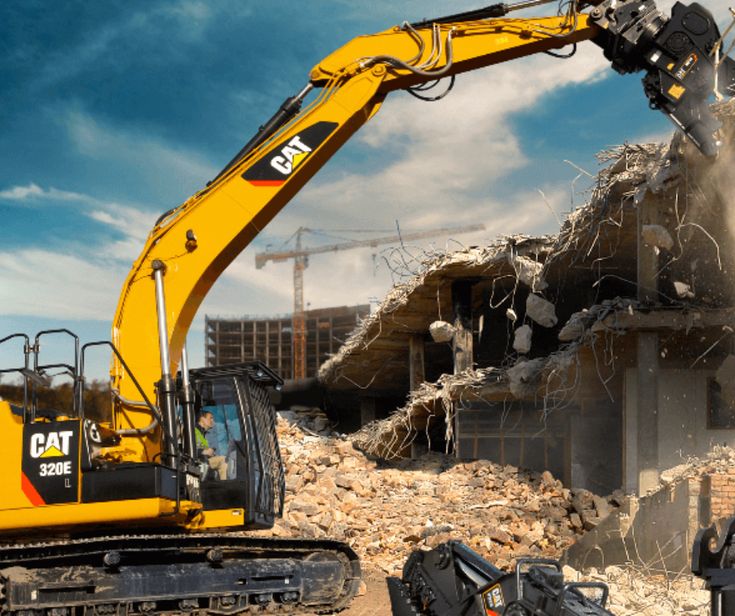

Demolition is often seen as a chaotic affair, filled with dust clouds and heavy machinery. However, it's much more than just destruction; it’s about transformation and innovation. As urban spaces evolve and industries adapt, the need for safe and precise demolition techniques has never been greater. Imagine a world where buildings are taken down with surgical precision—minimizing impact on surrounding structures while ensuring worker safety. This vision is becoming increasingly attainable thanks to advancements in demolition technology.
The way we approach tearing down old structures has come a long way from the days of brute force. Today, we're witnessing an evolution that combines cutting-edge technology with sustainable practices. This shift not only addresses environmental concerns but also enhances efficiency in every aspect of the demolition process.
Join us as we explore how these breakthroughs are shaping the future of demolition, making it safer and more precise than ever before.
The Evolution of Demolition Techniques
Demolition techniques have come a long way from the days of manual labor and rudimentary tools. Early demolitions relied heavily on explosives, often leading to unpredictability and safety risks. The sheer force used could easily damage surrounding structures, making this method less than ideal.
As technology advanced, so did our approach. Hydraulic machinery began to dominate the scene. This led to more controlled demolitions where precision became possible without compromising safety, paving the way for innovations like robot demolition.
The introduction of high-reach excavators changed everything again. These machines can dismantle buildings from a safe distance, minimizing danger for workers on-site and reducing collateral damage.
Today’s methods incorporate digital modeling and laser-guided systems that enhance accuracy further. With each leap in innovation, we’ve moved closer to creating safer environments while efficiently tearing down unwanted structures.

The Need for Safe and Precise Demolition
Demolition projects are often complex and risky. The potential for accidents looms large, making safety a top priority. Workers face hazards from falling debris, unstable structures, and exposure to harmful materials.
Precision is equally important in demolition. An errant move can lead to severe structural damage or unintended collateral destruction. This risk increases in urban areas where buildings are tightly packed together.
The demand for safe practices reflects the growing awareness of environmental concerns as well. Disposing of hazardous waste properly prevents contamination and protects public health.
As cities evolve, so must our methods of tearing down outdated structures. Employing advanced technology ensures that we minimize risks while maximizing efficiency on job sites throughout the demolition process.
Advancements in Demolition Technology
Recent advancements in demolition technology are reshaping the industry. New tools and methods enhance efficiency while ensuring safety.
One notable innovation is the use of drones for site surveying. Drones provide aerial views that help assess structural integrity without putting workers at risk. This allows for better planning before any physical work begins.
Additionally, advanced demolition robots are gaining traction. These machines can tackle complex tasks in hazardous environments where human presence might be dangerous. They navigate tight spaces with precision, reducing noise and debris.
Another exciting development involves eco-friendly explosives tailored to minimize environmental impact. These controlled charges ensure a quicker teardown process while protecting surrounding areas from damage.
Smart sensors and AI-driven software also play a significant role now. They analyze data from ongoing projects in real time, helping teams adapt strategies on the fly for optimal results.
Robotics in Demolition Pros and Cons
Robotic technology is transforming the landscape of demolition. These machines can handle tasks that are too dangerous for human workers, such as dismantling unstable structures or working in hazardous environments. With their precision and efficiency, robots reduce the risk of accidents and injuries on job sites.
However, not everything about robotic demolition is perfect. The initial investment can be significant, making it less accessible for smaller companies. Additionally, there’s a learning curve associated with operating these advanced systems. Workers may need specialized training to ensure they can effectively manage the equipment.
Despite these challenges, the benefits often outweigh the drawbacks. Robots enhance safety by taking over high-risk jobs while improving accuracy in demolishing structures without damaging surrounding areas. As technology continues to evolve, it's likely that we'll see even more innovative approaches to demolition that prioritize both safety and precision.
The future holds promising possibilities for robotics in this field as it matures further into mainstream use—potentially revolutionizing how we approach building deconstruction altogether.